Ladakh’s Environmental Challenges in 2025: Addressing Climate Change and Conservation Efforts.
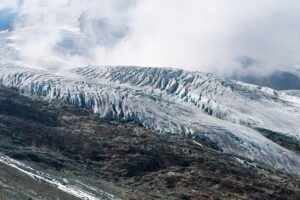
Melting Glacier in Ladakh
Ladakh, the enchanting region in northern India, is known for its breathtaking landscapes and unique ecosystems. However, as the world grapples with climate change, Ladakh too faces significant environmental challenges. The region’s fragile ecosystem is under threat due to rising temperatures, changing weather patterns, and human activities. In 2025, addressing these environmental challenges has become a priority for local communities, government bodies, and environmental activists alike.
The Fragile Ecosystem of Ladakh
Ladakh’s high-altitude deserts, snow-capped mountains, and unique biodiversity are increasingly being affected by the repercussions of climate change. The rise in global temperatures has led to:
– Melting glaciers: Ladakh’s glaciers, which are a crucial water source, are rapidly melting, affecting water availability in the region.
– Shrinking snow cover: Reduced snowfall is impacting agriculture, especially the traditional farming methods used by local communities.
– Changing wildlife patterns: The habitat of endemic species such as the snow leopard is becoming more vulnerable, as the changing climate affects their food sources and habitats.
The Impact of Climate Change on Ladakh
The direct effects of climate change on Ladakh are more visible than ever before. In 2025, the region is experiencing unpredictable weather patterns and harsh seasons. This is leading to:
– Water scarcity: With glaciers melting at an accelerated rate, Ladakh faces the risk of water shortages, particularly during the dry months.
– Reduced agricultural output: The traditional farming practices are struggling as the growing seasons become shorter and unpredictable.
– Increased risk of natural disasters: Landslides and floods have become more frequent due to sudden bursts of rain, which the land is unable to absorb, especially in high-altitude areas.
Conservation Efforts in Ladakh
While these challenges are daunting, there is hope. Several conservation initiatives are underway in Ladakh to tackle environmental issues. These efforts focus on restoring the natural balance and promoting sustainable practices in the region. Here are some key strategies being implemented:
1. Water Conservation Programs:
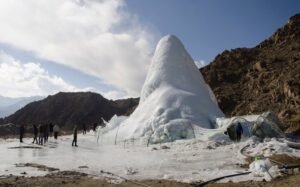
– Artificial Glacier Projects: Local communities have started to build “artificial glaciers” to store water during the winter months and release it gradually in the summer.
An awe-inspiring ice stupa rises high against the backdrop of the rugged Himalayan landscape, an innovative solution for water storage in remote areas.
– Water harvesting systems: New techniques for rainwater harvesting are being introduced to ensure a more sustainable supply of water for both drinking and irrigation purposes.
2. Promoting Sustainable Agriculture:
– Organic farming practices: Ladakhi farmers are being encouraged to switch to organic farming techniques to preserve the soil and reduce dependence on water.
– Agroforestry initiatives: The promotion of agroforestry, where trees are integrated into farming systems, is helping to improve soil fertility and conserve water.
3. Protecting Wildlife and Biodiversity:
– Snow Leopard Conservation: Conservation programs for the snow leopard, including anti-poaching measures and habitat protection, are being intensified to ensure the survival of this iconic species.
– Community-based wildlife protection: Local communities are actively involved in protecting their wildlife by establishing community-led wildlife sanctuaries and awareness campaigns.
Local Communities Leading the Change
One of the most encouraging aspects of Ladakh’s conservation efforts in 2025 is the active involvement of local communities. Traditionally, Ladakhi people have lived in harmony with nature, and now they are at the forefront of the movement to protect the region’s environment. They are adopting sustainable practices and educating younger generations about the importance of conservation.
– Eco-tourism: The rise of eco-tourism in Ladakh is allowing travelers to experience the region’s beauty while contributing to its conservation.
– Traditional knowledge: Local knowledge of the land and climate is being integrated into modern conservation strategies, combining the wisdom of the past with contemporary science.
Government and International Support
The role of government bodies and international organizations cannot be overstated. In 2025, the Indian government, along with various environmental NGOs, is providing crucial support to combat the environmental challenges in Ladakh. Financial aid, technical expertise, and policy changes are being used to strengthen the region’s resilience to climate change.
– Green energy projects: The government has been promoting renewable energy, particularly solar and wind power, to reduce reliance on fossil fuels.
– International collaborations: Ladakh is also benefiting from international climate change initiatives, with global organizations helping to fund conservation projects.
The Way Forward: Collective Action
In order to truly address Ladakh’s environmental challenges, collective action is essential. The key to success lies in the collaboration between local communities, government bodies, non-governmental organizations, and the international community. Only through this united effort can Ladakh’s delicate ecosystem be protected for future generations.
As Ladakh continues to face environmental challenges in 2025, the efforts to conserve its biodiversity and protect its fragile ecosystem are intensifying. The region’s ability to adapt to climate change will depend largely on how quickly these conservation efforts are scaled up and integrated into every aspect of life in Ladakh.
Conclusion
Ladakh’s environmental challenges in 2025 are a stark reminder of the broader global issues facing us today. However, the region is not just a victim of climate change—it is also a beacon of hope, where traditional knowledge, modern conservation practices, and government support are working hand in hand to protect its future. The efforts being made in Ladakh today could provide valuable lessons for other regions facing similar challenges.