

Rattan Singh Gill
At a time when revival of cultural heritage has been identified as one of the priorities for Jammu and Kashmir’s future, the experience of the Indira Gandhi Rashtriya Manav Sangrahalaya, Bhopal offers an interesting model for consideration.
At a book-release function in Srinagar on Tuesday, Lieutenant Governor Manoj Sinha outlined four priorities for Jammu and Kashmir — peace through zero tolerance towards terrorism, rapid development through infrastructure and connectivity, empowerment of youth by linking them with India’s digital economy and startup culture,and revival of cultural heritage to strengthen tourism and human values. He also urged the new generation of writers to treat history as a “mirror of truth” rather than a tool for glorification, and to learn from past decisions while shaping the future.

The emphasis on cultural heritage provides a contemporary context to a question raised by a visit to IGRMS: how can a region preserve not merely its monuments and artefacts, but the living knowledge and traditions of its communities?
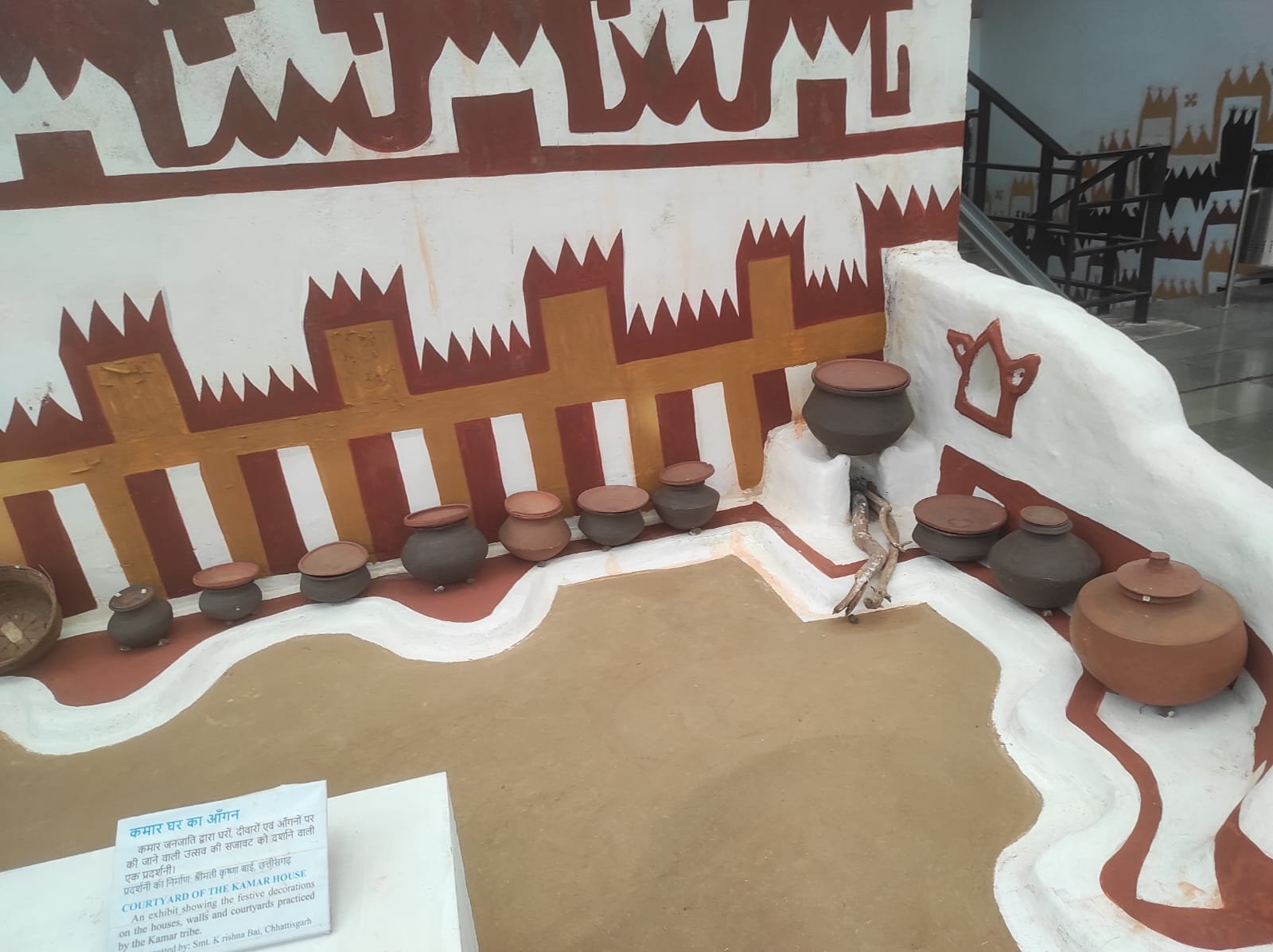
IGRMS is much more than the sprawling open-air museum that visitors see in Bhopal.
Its mandate extends to research, training, community engagement, inter-institutional collaboration and preservation of tangible and intangible cultural traditions. Its stated objectives include acting as a centre of research and training in museology and, in due course, generating a“new museum movement” in different regions of Indiato present and preserve the diversity of cultural life.
That wider role offers a possible connection with Jammu and Kashmir.
The IGRMS has assisted some state governments in setting up similar initiatives and has collaborated in establishing11 Tribal Freedom Fighters Museums in 10 Statesincluding two in Madhya Pradesh.

According to information shared by a senior IGRMS officer, however, the J&K Government has so far not approached the institution for setting up or collaborating on a similar initiative.
The potential for such collaboration is considerable.
J&K does not lack cultural material. Its challenge is that much of its heritage is dispersed across a geographically difficult region and remains with communities rather than institutions.
Traditional houses, crafts, folk practices, oral traditions, local knowledge, languages, food traditions and community histories continue to exist in different parts of the Union Territory.
Many of these are living traditions, but some are also vulnerable to rapid change as lifestyles, occupations, construction practices and patterns of settlement change.

This is where the IGRMS concept of aLiving Culture Museumbecomes particularly relevant.
The institution describes culture as dynamic and places emphasis on community engagement and co-management. Its mission also speaks of preserving and revitalizing vanishing tangible and intangible cultural traditions.
For J&K, that could mean a networked approach rather than necessarily another large museum.
Existing museums, universities, architecture and anthropology departments, cultural institutions and local communities could work together to identify traditions and practices that are declining.
Traditional houses could be documented before alteration or demolition. Oral histories could be recorded. Craftsmen and traditional practitioners could be identified. Local terminology, construction methods, songs, stories and healing practices could be preserved through audio-visual and digital archives.
The approach could also help strengthen cultural tourism without reducing culture to a tourism product.
This is significant in the context of the LG’s emphasis on linking cultural heritage with tourism and human values. The preservation of heritage is not only about attracting visitors; it can also help younger generations understand the social and cultural environment from which their communities have evolved.
His appeal to writers to treat history as a “mirror of truth” also underlines the importance of documentation based on evidence rather than selective glorification.
In this respect, IGRMS’s approach of documenting cultural patterns, conducting research and working with communities offers one possible institutional reference for J&K.
Selected traditional settlements, endangered crafts, oral traditions, indigenous knowledge systems and community practices could be identified for detailed documentation. The material could subsequently support exhibitions, research, educational programmes and digital archives.
The wider historical cultural landscape of J&K, including traditions associated with areas presently occupied by the PoJK, could also form part of serious historical and cultural documentation, based on credible sources and community accounts.
The reference by an IGRMS officer to their forthcoming three-day Tribal Healers Camp planned in Ganderbal on 25-27thSeptember further illustrates the relevance of taking cultural documentation to the communities where traditions are still practiced.
The significance of the IGRMS experience for J&K, therefore, is not that the Union Territory needs to copy Bhopal. It is that the current emphasis onreviving cultural heritagecreates an opportunity to look beyond monuments and artefacts towards the living knowledge of communities.
A museum can preserve a house after its builders are gone. But preserving the knowledge of how that house was built requires finding the people who still remember.
That may be the more enduring connection between Bhopal’s Living Culture Museum and Jammu and Kashmir’s emerging cultural-heritage priority.
(This scribe was part of a recent PIB-Media-group tour to Bhopal, Indore & Ujjain)