

ICMR-NIV team surveys hotspots and collects samples in Doda; doctors urge vigilance, early diagnosis and mosquito-control measures despite decline in UT-wide cases
Jammu Tawi, Oct 13: Jammu and Kashmir has reported around 1,200 dengue cases so far this year, significantly lower than the figures recorded over the past few years. However, the continued rise in infections in Doda district, where more than 190 laboratory-confirmed cases requiring hospitalisation have been reported at Government Medical College (GMC), has prompted authorities to strengthen surveillance and intensify preventive measures.
In view of the unusual surge in dengue cases in the traditionally less-prone mountainous district, a five-member team of scientists from the Indian Council of Medical Research–National Institute of Virology (ICMR-NIV), Pune, visited Doda to assess the situation, examine patients and investigate the viral strains circulating in the affected areas.
The team, led by Dr Qaiser Farooq Dar, Officer-in-Charge of ICMR-NIV North Zone, Jammu and Kashmir, visited the microbiology laboratory at GMC Doda and several dengue hotspots across the town. The scientists also examined admitted patients, reviewed their test reports and collected samples for further analysis.
Dr Dar said Doda had witnessed a sharp increase in laboratory-confirmed cases compared with historical trends in the district. The situation had prompted ICMR-NIV to extend assistance to the local health authorities.
“We have collected samples for further examination and visited the hotspots from where the maximum number of cases have been reported,” he said, adding that the team’s findings would be submitted to the Jammu and Kashmir health authorities for further action based on its assessment.
Doda Chief Medical Officer Dr Vinod Sharma said the Health Department, in coordination with civic bodies, was making concerted efforts to contain the spread of the virus. He said assistance had been sought from ICMR and NIV to strengthen the ongoing surveillance and control measures.
At the Union Territory level, the reported dengue burden remains considerably lower than in recent years. Health data indicate that J&K recorded around 3,000 cases in 2025, 7,000 in 2024, 6,403 in 2023 and 8,269 in 2022, when the outbreak also claimed 18 lives. More than a decade ago, dengue infections were rare, with only two cases reported in 2009 and none in 2010.
Despite the decline in overall infections, doctors have cautioned people against becoming complacent, stressing that dengue can lead to serious and potentially life-threatening complications if warning signs are ignored or medical attention is delayed.
Doctors at GMC Jammu have emphasised the importance of timely diagnosis, adequate hydration, medical supervision and effective mosquito-control measures. They have also warned that the period when fever begins to subside can be particularly critical for some patients.
People should not assume that recovery has begun simply because their temperature has returned to normal, health experts said, advising immediate medical evaluation if warning signs develop during this phase.
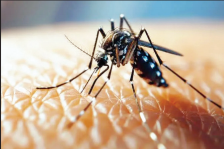
Dengue is transmitted through the bite of an infected Aedes mosquito, particularly Aedes aegypti. Symptoms generally appear four to 10 days after an infected bite and may last three to seven days.
Common symptoms include high fever, severe headache, pain behind the eyes, muscle and joint pain, nausea, vomiting, skin rashes and extreme weakness. Doctors have urged people to seek immediate medical attention if they experience severe abdominal pain, persistent vomiting, difficulty breathing, bleeding from the nose or gums, blood in vomit or stools, unusual tiredness, restlessness or irritability.
Health experts explained that dengue can affect platelet counts and blood vessels, increasing the risk of bleeding and fluid leakage and, in severe cases, damage to vital organs. They also cautioned that a subsequent infection involving a different dengue strain can increase the risk of severe disease.
Eliminating mosquito breeding sites remains one of the most effective ways to prevent transmission, doctors said. Aedes mosquitoes can breed in even small quantities of stagnant water collected in flower pots, buckets, discarded tyres, coolers, containers and bottle caps.
Residents have been advised to regularly empty and clean water containers, prevent water from accumulating in and around homes, and maintain cleanliness in their surroundings. Sustained community participation, experts said, is essential to control mosquito breeding and prevent further outbreaks.
Meanwhile, GMC Jammu has said that arrangements are in place to manage dengue patients, including the availability of platelet stocks and necessary hospital infrastructure.
Doctors reiterated that the relatively lower number of infections across J&K this year should be treated as an opportunity to strengthen surveillance, public awareness and preventive measures before cases rise further. The situation in Doda, they said, underlines the need for continued vigilance, early detection and coordinated action by health authorities, civic bodies and the public.